Manuel Antonio National Park: Tickets, Rules and Trails
Manuel Antonio sells tickets online only and closes on Tuesdays. What you can't bring, when a guide pays off, the beaches, trails and parking near Quepos.
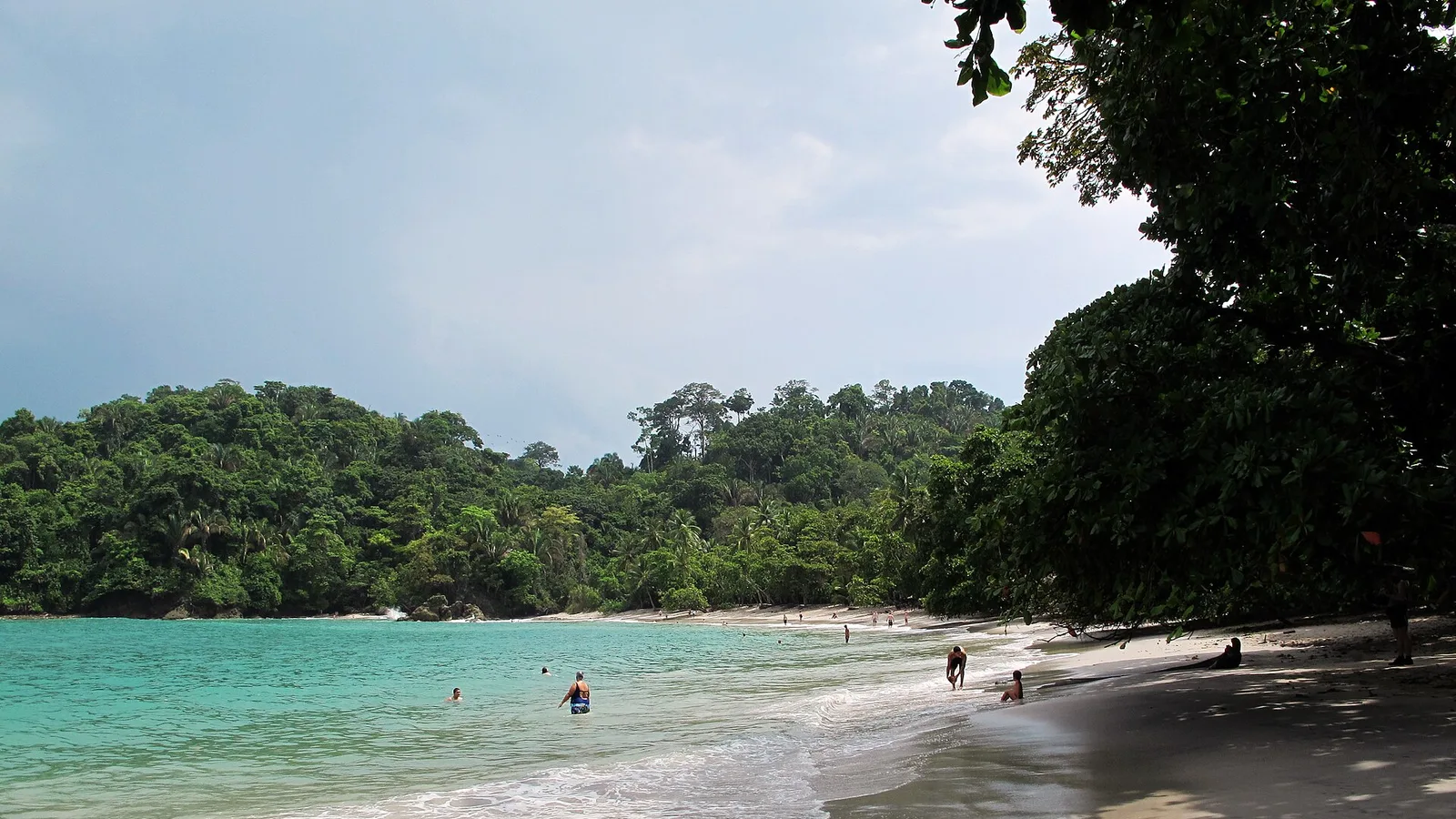
Buy your ticket online before you leave the hotel, and don’t plan the visit for a Tuesday. Manuel Antonio National Park is open Wednesday to Monday, closed Tuesdays, with entry from 7 am to 3 pm, and the park service sells tickets through its online system, not at a booth. Adults who aren’t residents pay $18.08 with tax, children from 2 to 12 pay $5.65, and under-2s are free (SINAC, checked November 16, 2026).
The rest of the plan comes down to a short day and a single road: the gates close at 3 pm, and in busy seasons the one road in from Quepos backs up.
Tickets: where to buy and what to expect
The park service lists Manuel Antonio among the parks that sell tickets online through SINAC’s own system (serviciosenlinea.sinac.go.cr). That’s the address to type, and SINAC’s own page links to it. Expect to enter each visitor’s details, and keep the reservation code on your phone: since 2024 SINAC has accepted it in digital form at the gate.
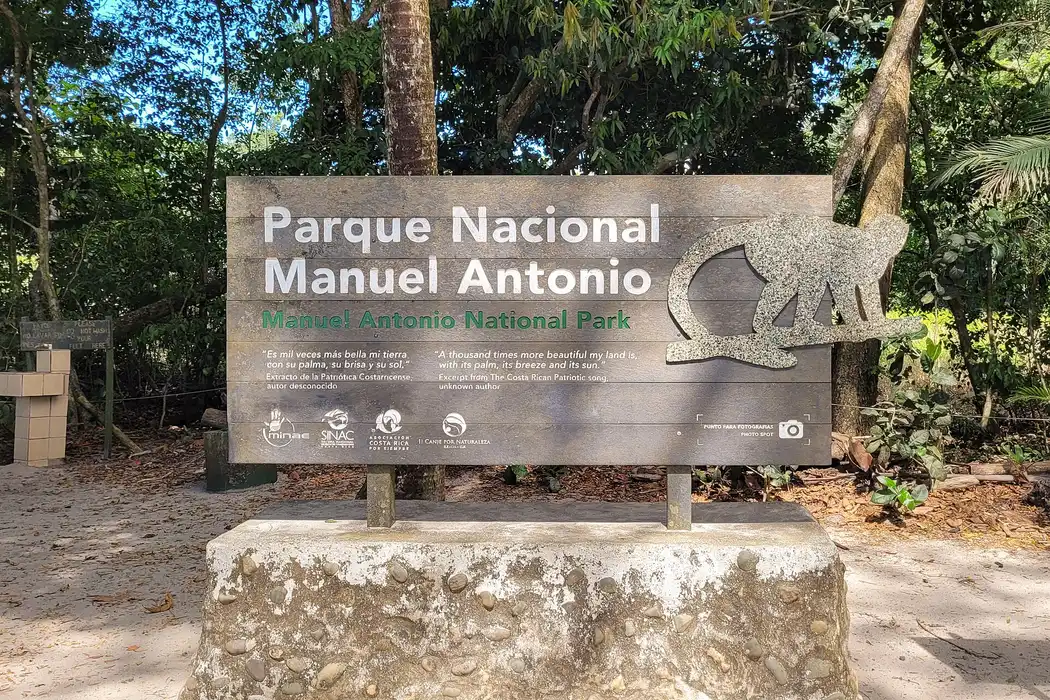
SINAC’s page lists no time slots or daily limit; the regional office sets visitation limits by administrative resolution. Treat dry-season days as full: buy as soon as your dates are fixed, and don’t count on an unsold ticket the morning you arrive.
| Visitor | Price (tax included) |
|---|---|
| Non-resident adult, over 12 | $18.08 |
| Non-resident child, 2 to 12 | $5.65 |
| Non-resident under 2 | Free |
| Costa Rica resident adult | ₡1,808 |
The park runs Wednesday to Monday, which is a change from what older blogs say. If you read “closed Mondays” anywhere, it’s out of date: the park service lists Tuesday as the day off, and the Costa Rica Tourism Board’s 2021 announcement of Monday opening matches that.
What you can’t bring in
The park’s public-use rules are stricter than most beaches’. Here’s what’s banned: drones, balls, bicycles, beach umbrellas and chairs, tents, awnings and hammocks. Alcohol’s out, and so are smoking and vaping. Speakers are out too, though phones are fine. Pets aren’t allowed, except companion dogs under the accessibility law.
Food takes some thought. The park page says outside food and drink don’t go onto the beaches or trails, and the concession restaurant inside sells meals from 7:30 am to 3:30 pm. Eat there or before you go in, and don’t carry snacks in your bag. Feeding animals is prohibited, and flash photos, playback sounds and wildlife selfies are banned too. The showers don’t allow soap or shampoo.
One tree deserves a warning: the manzanillo on the beach is toxic. Don’t sit in its shade, touch it or eat its fruit.
Lockers run 7 am to 4 pm. Use them if you’re carrying beach gear: a small daypack is easier on these trails.
Getting there from Quepos, and where to park
The main entrance is about 7 kilometers from Quepos, and SINAC’s page says the park has no vehicle parking of its own. In busy seasons the single road from Quepos to the Manuel Antonio village backs up. From San José’s airport (SJO) it’s about 153 kilometers and 3 hours to Quepos with no traffic, then roughly 15 minutes more.
Three ways to make the last 7 kilometers work:
- Park at a private lot along the road to the entrance. Private lots set their own rates, so ask the price before you leave the car.
- Take a taxi or a local bus from Quepos, which solves parking and the traffic at the same time.
- Stay in Manuel Antonio village and walk down, which suits you if you want to leave the rental car parked.
Our car rental guide has the Route 27 tolls and the liability charge you’ll meet on the drive down from San José. If you’re arriving from the north, Monteverde to Quepos is a long day, and our 7-day route puts the park last so you finish at the beach.
Guides and what to expect on the trails
The park hosts a guide concession run by the Quepos association of certified tourist guides, which works Wednesday to Monday from 7 am to 2 pm. Afternoon tours at 3:30 pm on Saturdays, Sundays and Mondays and night tours at 5:30 pm on Wednesdays to Fridays are offered at special times and seasons, November to April. A guide who isn’t from the concession should carry a Costa Rica Tourism Board certification; the board runs an online directory of more than 2,500 certified guides you can check.
A guide is worth it here for one reason: animals blend into the trees, and a guide with a scope finds the sloth you’d walk past. SINAC counts 352 bird species and 109 mammal species in the park, and the titi monkey is its emblem. Some guided tours include the entrance ticket and some don’t, so read the listing before you buy a second ticket. Where else to see sloths, monkeys, turtles and whales, and what the other parks charge, is in our wildlife watching guide.
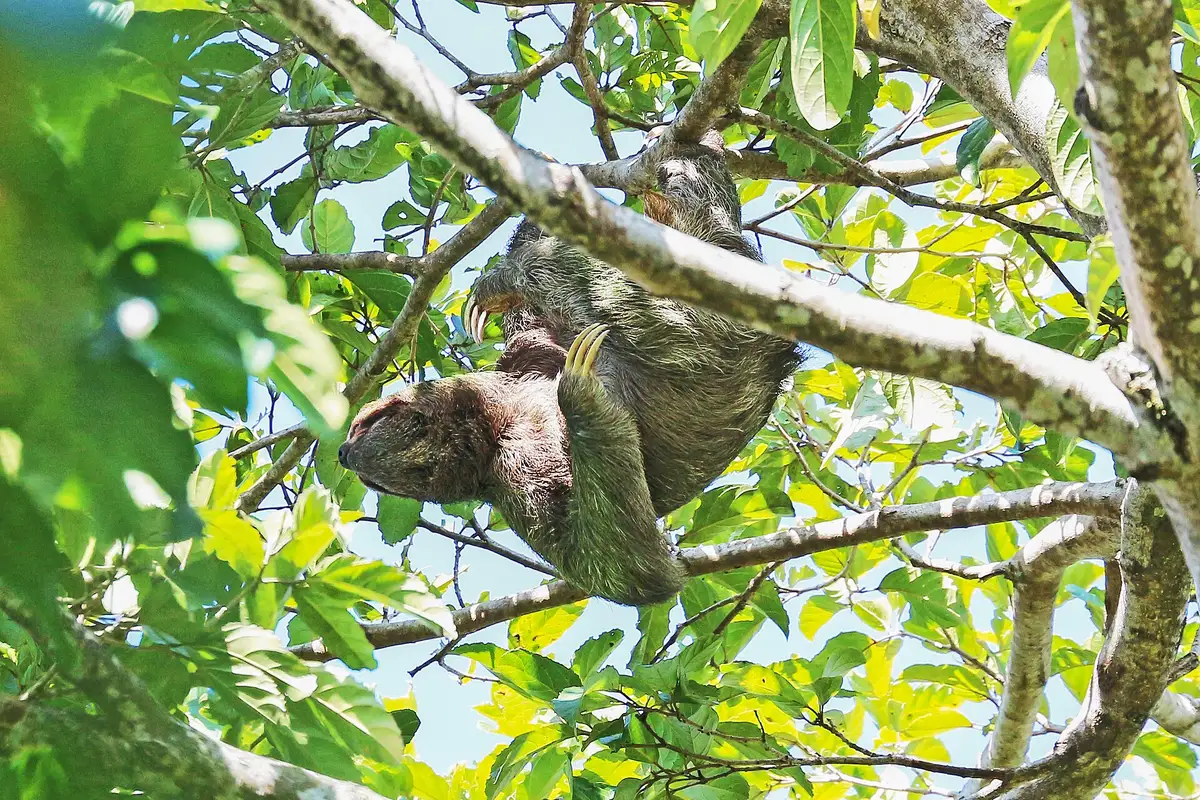
The park’s public-use rules (decree 22482-MIRENEM, last amended in 2020) cap some trails. The Sloth trail takes no more than 30 people at a time, in groups of 15, for up to an hour. The Puerto Escondido viewpoint trail is limited to 45 people in groups of 15, with a guide, biology teacher or ranger, and Puerto Escondido beach can only be visited at low tide after you ask the rangers.
Beaches and viewpoints
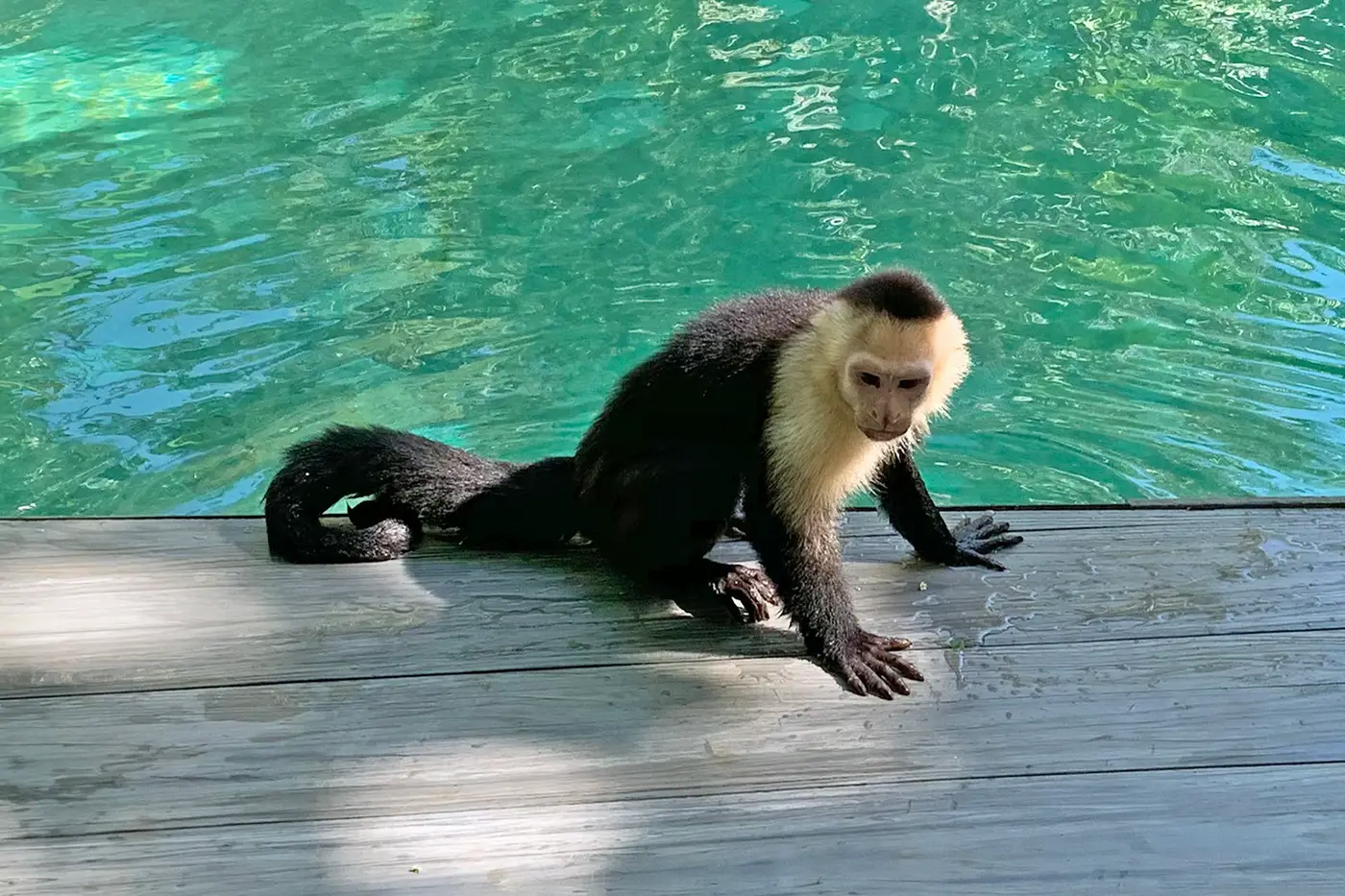
Inside the park, the main beaches are:
- Manuel Antonio beach: the postcard bay, and the park’s listing notes it suits snorkeling, mainly toward the sides, where fish and some coral show up.
- Espadilla Sur: wide at low tide and a bit rougher in some seasons, with fewer people than Manuel Antonio beach.
- Gemelas: a beach split in two by a rock formation.
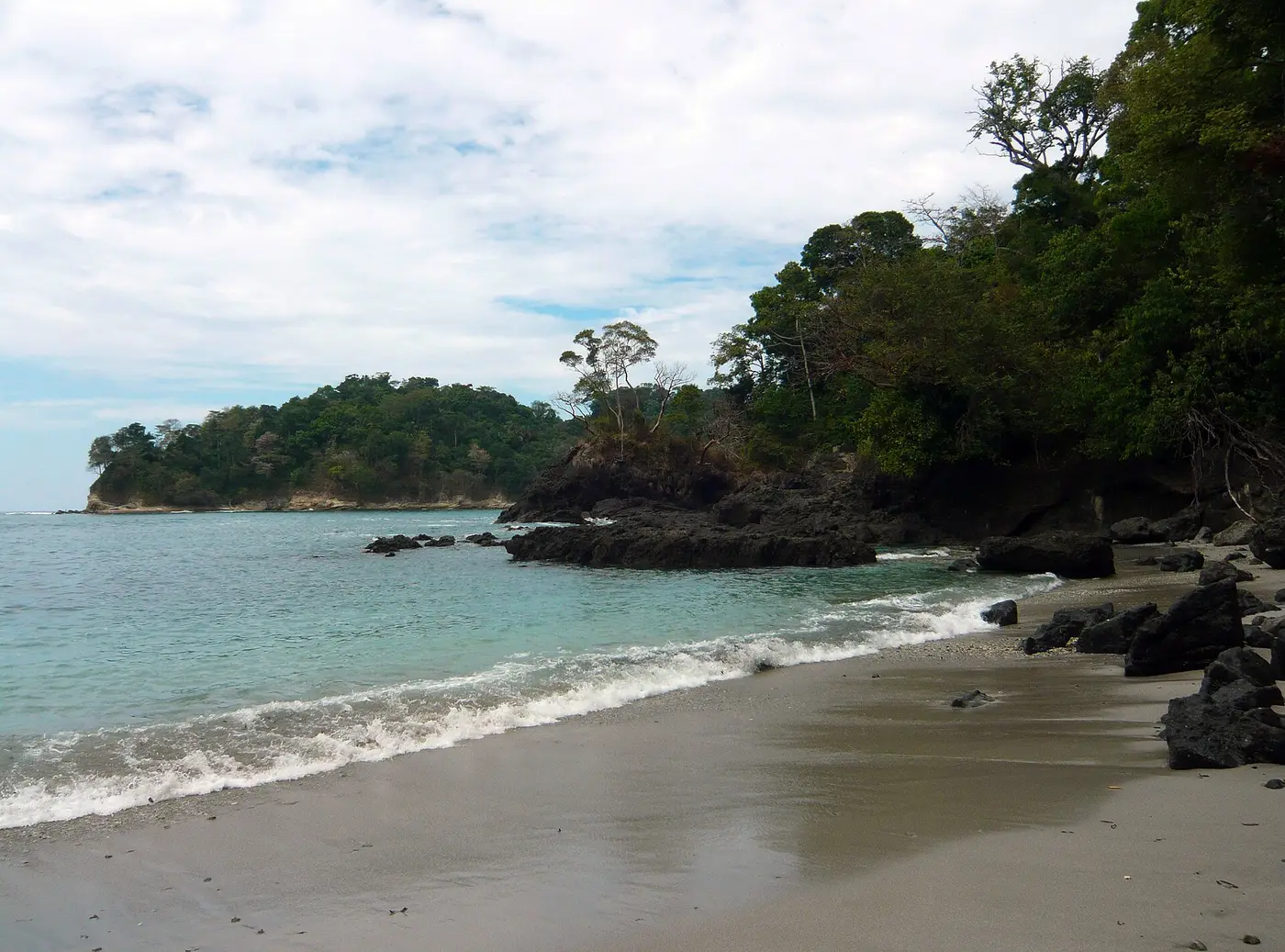
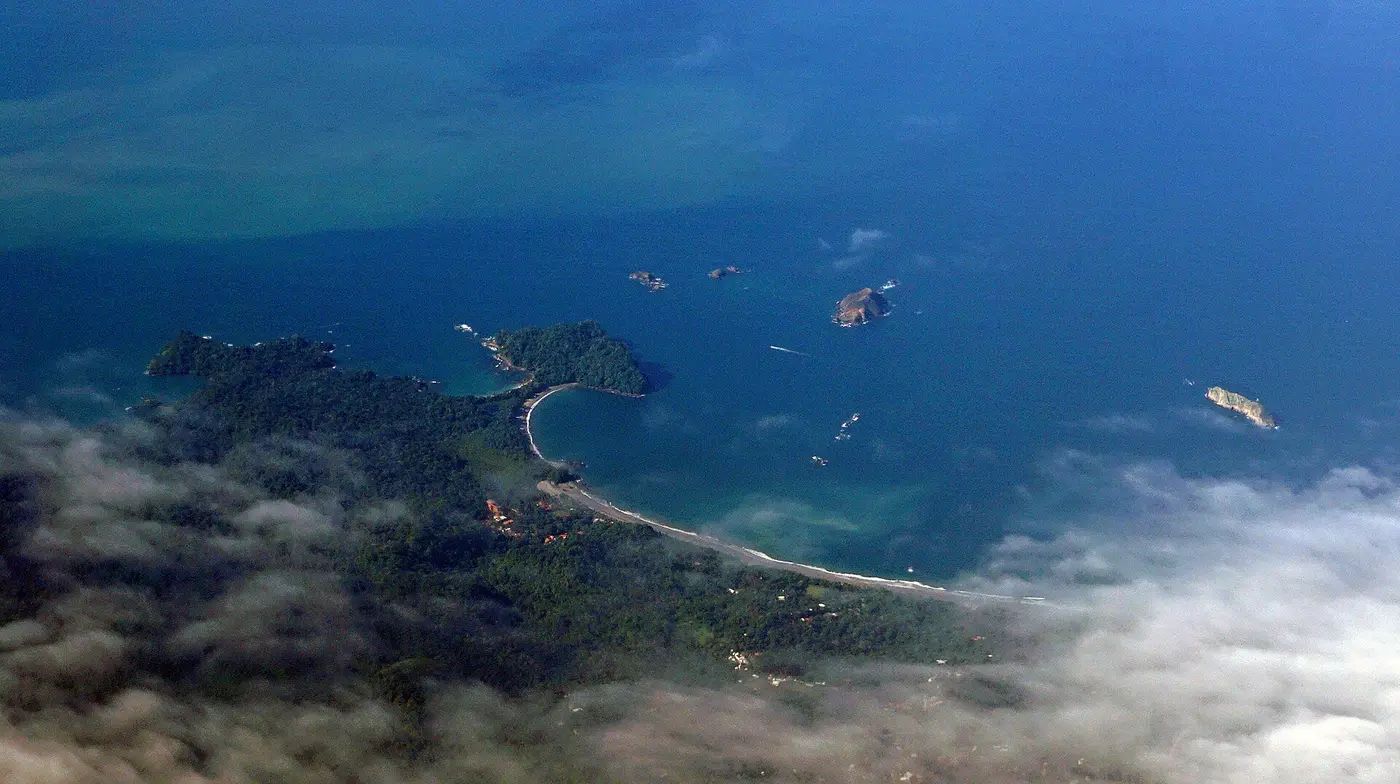
The trails join the beaches to viewpoints. Punta Catedral, once an island and now tied to the coast by a sandbar, has five viewpoints over the offshore islands, some of them home to seabirds. Mirador Punta Serrucho looks over the coast, and the Catarata trail only has water in the rainy season. At low tide you’ll also see La Trampa, a ring of stones the park links to pre-Columbian turtle and fish trapping. Fill your bottle at the water points on the Sloth trail and the Manuel Antonio and Espadilla Sur beach trails.
How long to stay
Half a day is enough for most visitors, and the opening hours set the limit anyway: gates open at 7 am and take the last visitors at 3 pm, and the guide office takes its last tours at 2 pm. A workable shape is the Punta Catedral loop first, while the viewpoints are quiet, then the beach you prefer, then lunch at the concession before the afternoon heat. The Sloth trail is capped at an hour, so it fits between the two.
You won’t need a second day unless you want a guided afternoon or night tour, offered from November to April, or a quieter beach morning at Espadilla Sur. Otherwise spend the saved time outside the park: Quepos has the bus terminal, the supermarkets and the onward connections.
Best time of day and season
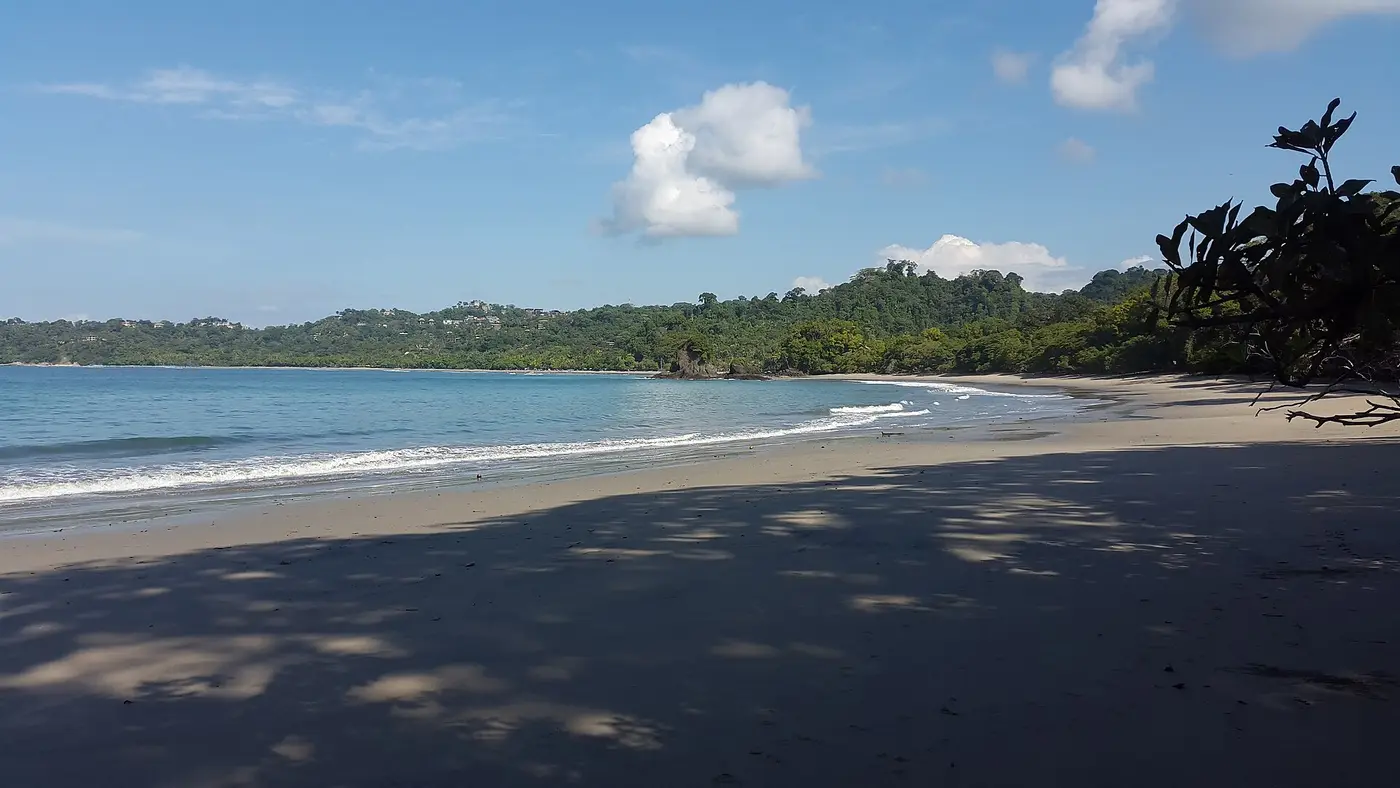
Arrive at 7 am, when the gates open; SINAC itself recommends going early. By its count the quietest months are September and October, in the heart of the rainy season, and it advises dressing for the rain.
Weekends and holidays in the dry season, mid-December to late April by the Costa Rica Tourism Board’s dates, are when the park and the road fill up. The guides’ afternoon and night tours run from November to April. In the green season, from May to mid-December, pack shoes with grip and a rain layer before the sunscreen.
Read also

What to see · 7 min read
La Fortuna Waterfall: Tickets, 530 Steps and Getting There
Updated · November 17, 2026La Fortuna Waterfall costs $20 for foreign adults, $10 for Costa Ricans. Slots, the 530 steps, taxi from town, swimming, lockers and the orchid garden.

What to see · 8 min read
Mistico Hanging Bridges Park: Prices, Trail, Getting There
Updated · November 17, 2026Mistico near Arenal: self-guided or guided ticket, the 3.2 km loop with six bridges, the drive from La Fortuna, park shuttles and the 48-hour refund rule.

What to see · 7 min read
Santa Elena Reserve: Prices, Trails, Tower and Guides
Updated · November 17, 2026Santa Elena Reserve costs ₡10,000 for adults, ₡20,000 with a guide. Trails by name, the 13 m tower, hours and the ride from Santa Elena village.

Regions · 9 min read
Arenal and the Northern Lowlands: Where to Base Yourself
Updated · November 17, 2026La Fortuna, El Castillo or the lake road? Where to base yourself around Arenal, what the volcano park and waterfall cost, and how to drive from SJO or LIR.