Wildlife Watching in Costa Rica: Park Fees and Guides
Foreign adults pay $5.65 to $18.08 at parks. Corcovado needs a reservation and a registered guide. Night walks; turtle, whale and quetzal seasons.
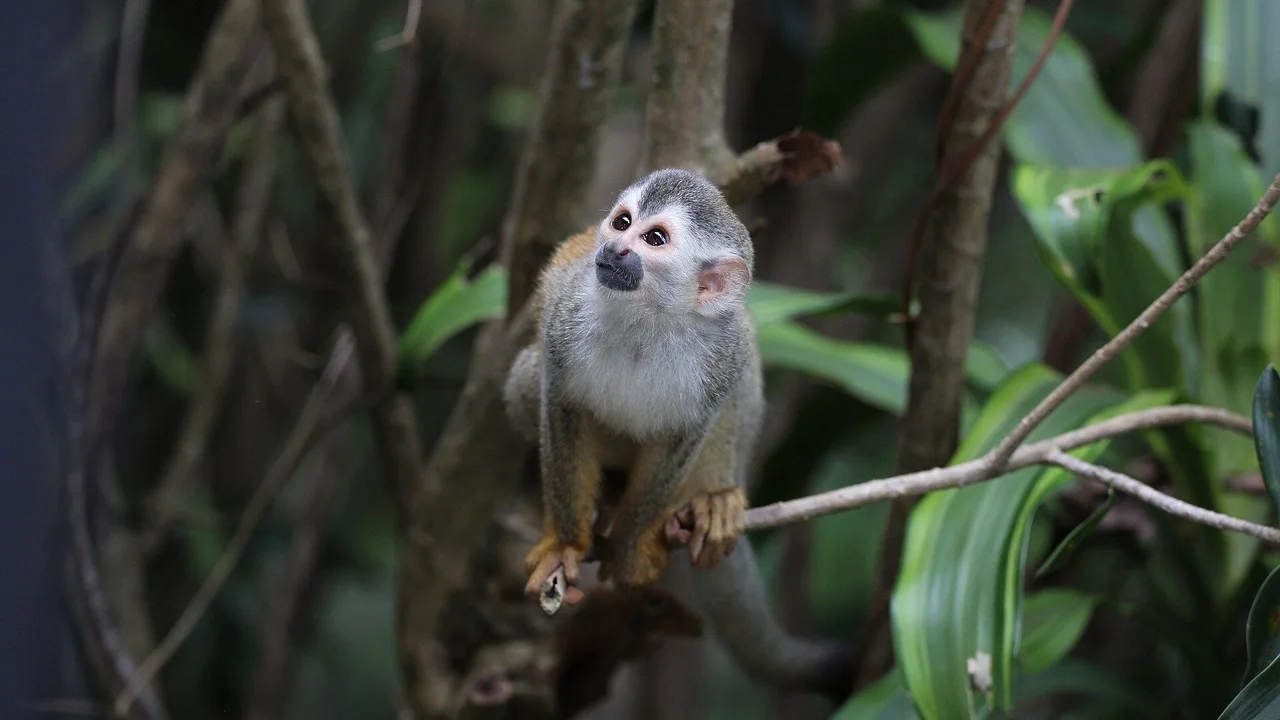
For a foreign adult, most national park entrances cost between $5.65 and $18.08, and Corcovado is the park to book with a registered guide. Corcovado, Tortuguero and Arenal Volcano are $16.95 and Manuel Antonio is $18.08, the top of the range. Those are SINAC’s published rates, read on November 17, 2026. The guide, the boat and the night tour are what you’ll pay on top, to an operator, and the season of the animal you want decides which month to book.
Park fees for foreigners, park by park
Adult non-resident rates, with tax unless the table says otherwise:
| Park | Adult | Hours | Conditions |
|---|---|---|---|
| Corcovado | $16.95 | 7 am-3 pm | Reservation by email is mandatory |
| Tortuguero (Cuatro Esquinas, Jalova) | $16.95 | 6 am-noon, 1-4 pm | Tickets online; Cerro Tortuguero trail is $2.26, 8 am-3:30 pm |
| Manuel Antonio | $18.08 | 7 am-3 pm | Online only; closed Tuesdays |
| Carara | $10 + 13% VAT ($11.30) | - | Online only since September 1, 2023 |
| Cahuita, Puerto Vargas | $5.65 | 8 am-4 pm | Cards accepted; Playa Blanca sector is by donation |
| Marino Ballena | $6.78 | 7 am-6 pm, by sector | Card payment only |
Children pay $5.65 at Corcovado, Tortuguero, Cahuita and Marino Ballena, and $5 plus VAT at Carara (ages 2 to 12). Arenal Volcano National Park, at $16.95, and Caño Negro, at $5.65, are in our Arenal guide; Manuel Antonio’s rules, including the Tuesday closure, are in its own guide.
Private reserves don’t follow SINAC’s rates. In Monteverde, Santa Elena Reserve costs ₡10,000 for adults (about $22 at ₡454 per dollar, the November 13, 2026 rate), and Curi-Cancha charges $25 for a self-guided walk. Zip lines, rafting and hanging bridges are separate operators with their own prices, set side by side in our adventure comparison, and the Monteverde guide has Selvatura’s bridge walk at $49 for adults aged 19 and over, plus 13% tax and fees.
Corcovado: reservation first, then a guide
Corcovado isn’t a park you enter on impulse: it needs an advance reservation for every visitor, made by email to SINAC’s Osa office, whose reservations desk is open 7 am to 4 pm daily except public holidays. The El Tigre sector books through the local Dos Brazos de Río Tigre association instead. SINAC’s park page makes a guide mandatory on two trails, in either direction: La Leona to Sirena Station and Los Patos to Sirena Station. For the other sectors it words a guide as a preference, while the Tourism Board’s Corcovado page says entry requires an authorized guide. Since the two agencies disagree, book a guide registered with the reservations desk whatever the sector, and confirm the rule when you reserve. SINAC’s reservation rules for the park, linked from its page, take the entry fee only as a bank deposit to SINAC’s account, with the receipt due within 24 hours of the pending booking slip, so ask your bank about paying into a Costa Rican account before you email, or ask the registered guide you hire to handle the booking.
The park has six sectors, and SINAC suggests three days for the full Patos-Sirena-Leona route, with single legs as one-day options. Sirena has 20 km of local trails, and near the river mouth at high tide you may see bull sharks and crocodiles. Food is sold only at Sirena and El Tigre, and only with a reservation. The $16.95 is only the entrance, so you’ll budget separately for the registered guide, and for a boat if you’re coming in by sea.
Tortuguero: turtle season and the beach after dark
SINAC runs the turtle program with a local organization: trained spotters find the nesting turtles, and visitors wait at a base until one is ready to be watched. The page puts the nesting season at June to October and tells visitors to verify that the season has opened before they book, because ecological timing shifts. Between March 1 and October 31, access to the beach is restricted from 6 pm to 6 am, so a night turtle walk is a spotter-led outing, not something you can do alone. Tortuguero protects beaches for four sea-turtle species (green, leatherback, hawksbill and loggerhead), and SINAC counts 442 bird species and 138 mammal species there. So don’t build a December trip around turtles; the entry guide has the dry and green seasons for the rest of the trip.
Night walks and what they cost
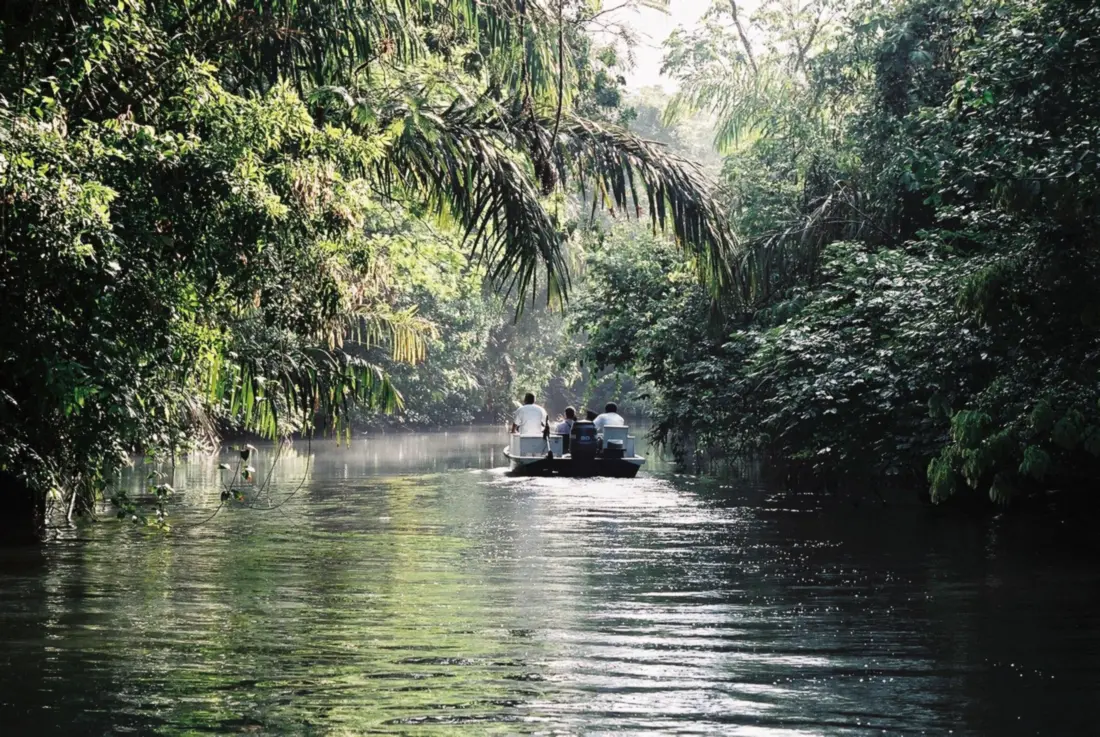
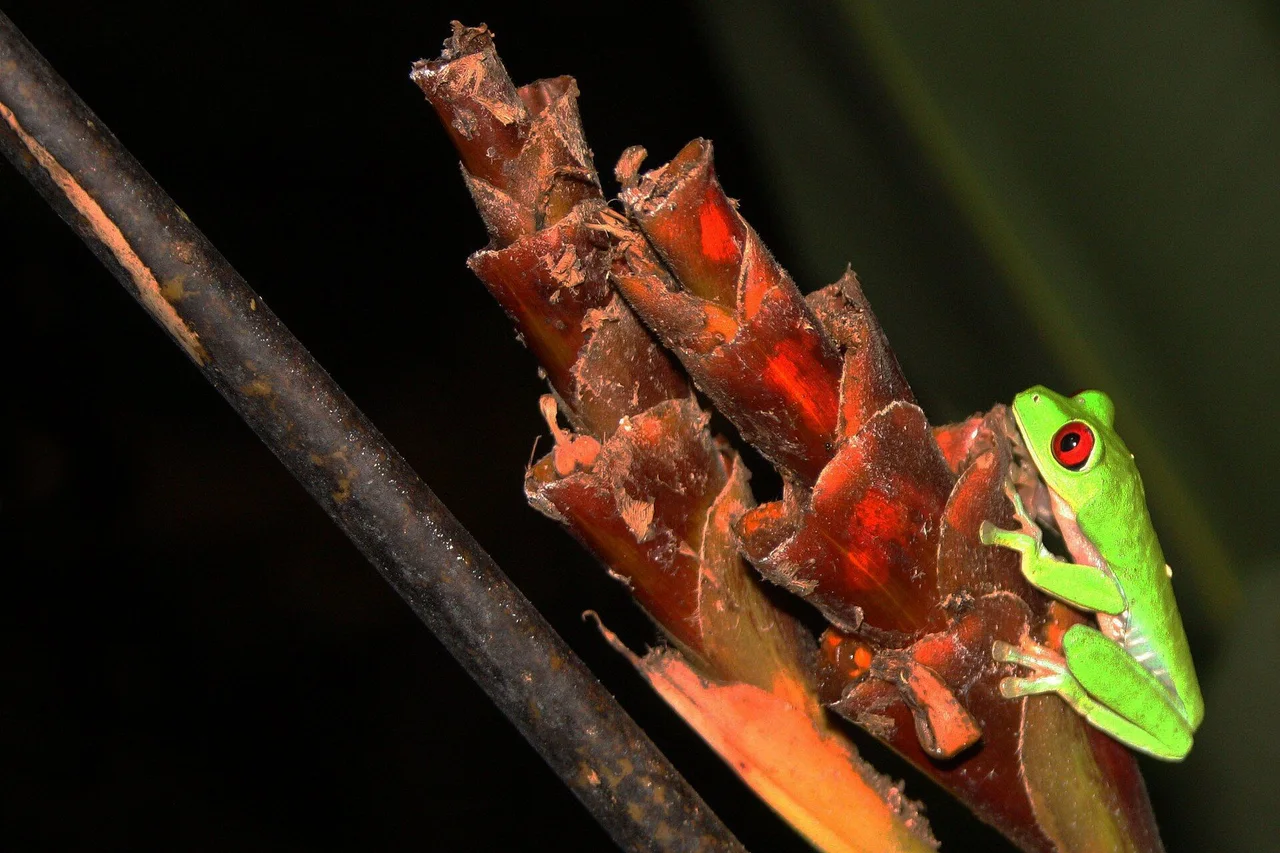
Three night tours cover the cloud forest, the mountains and the coast. Curi-Cancha’s in Monteverde runs two hours from 5:30 pm for $35, with nine people at most and a reservation required. Savegre’s, at the hotel in San Gerardo de Dota, leaves at 5 pm and lasts about three hours, with no minimum age; the hotel says only the guide carries a light, quotes prices by email or phone, and cancels tours in heavy rain, especially in September and October. At Manuel Antonio the park’s guide concession runs night tours at 5:30 pm on Wednesdays to Fridays between November and April, as our Manuel Antonio guide notes. Manuel Antonio’s is the hardest to fit, three evenings a week and only from November to April, so fix it before the other two; Curi-Cancha prints its price, and Savegre’s runs an hour longer.
Birds and the quetzal
The resplendent quetzal is a morning bird, and you’ll want to be on the trail at dawn. Savegre’s quetzal tour leaves at 5:15 am and lasts about two hours; the hotel says the best window for them is January to June, and that sightings are never guaranteed. Savegre’s birding tours are charged per booking for groups of one to four, not per person, so a pair of birders pays what a single one does. On the Central Pacific coast, Carara National Park has the scarlet macaw as its emblem, sits on Route 34 as a day trip from the capital (the Route 27 tolls on the drive from San José are in our car rental guide), and has a universal-access trail, SINAC says.
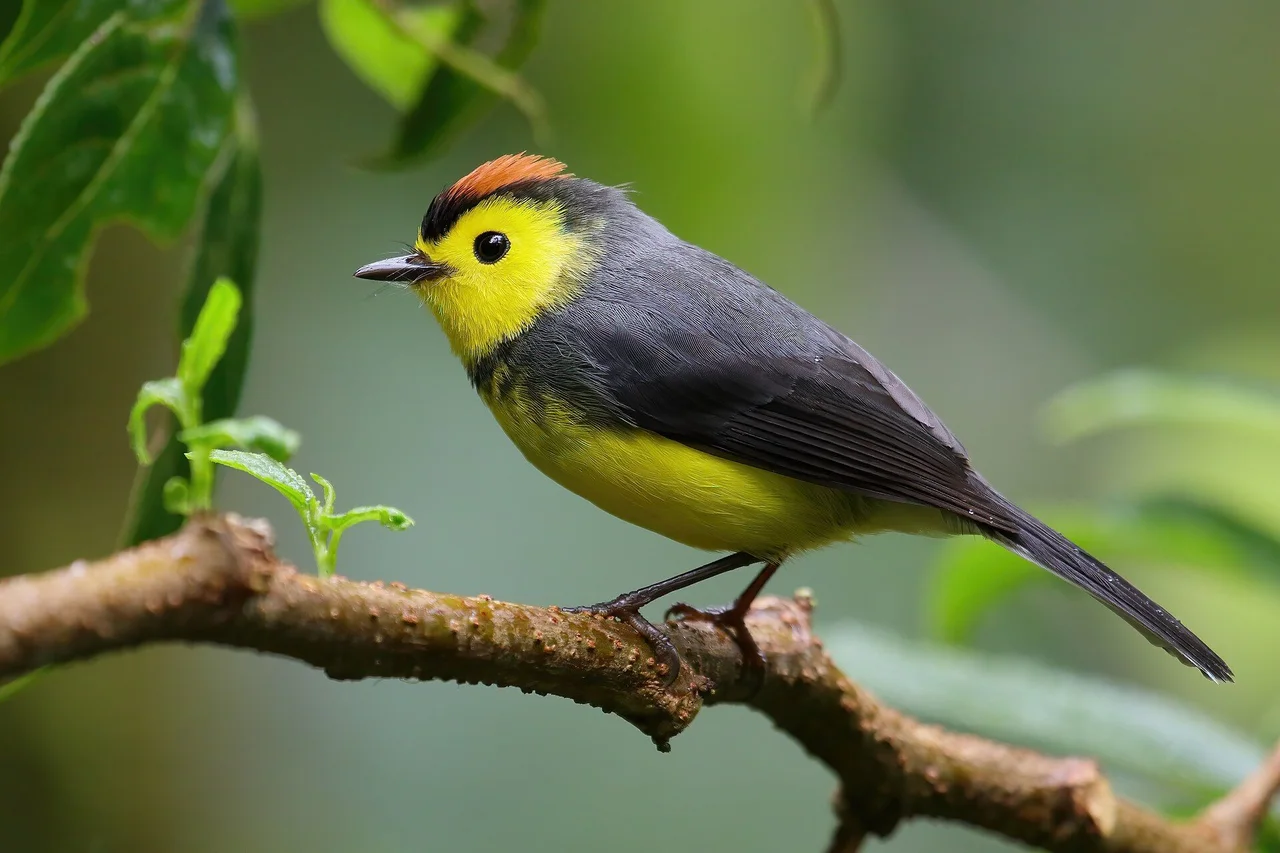
Caño Negro, in the northern lowlands, counts 307 bird species, and Manuel Antonio 352 bird and 109 mammal species, per the park service.
Whales and dolphins at Marino Ballena
SINAC’s page for Marino Ballena says humpback whales visit in two seasons: those from the north in December to April and those from the south in July to November, with resident dolphins all year. Entry is $6.78 for an adult, paid only by credit or debit card. The Whale’s Tail sandbar can be entered only at low tide, so SINAC tells visitors to check the tide table first. SINAC’s advice for boat trips is to contract through guide associations, tour operators and local organizations, and Costa Rica’s responsible-tourism guidance asks boats to keep the distance and speed set by the law for cetacean observation.
Sloths and monkeys without an expedition
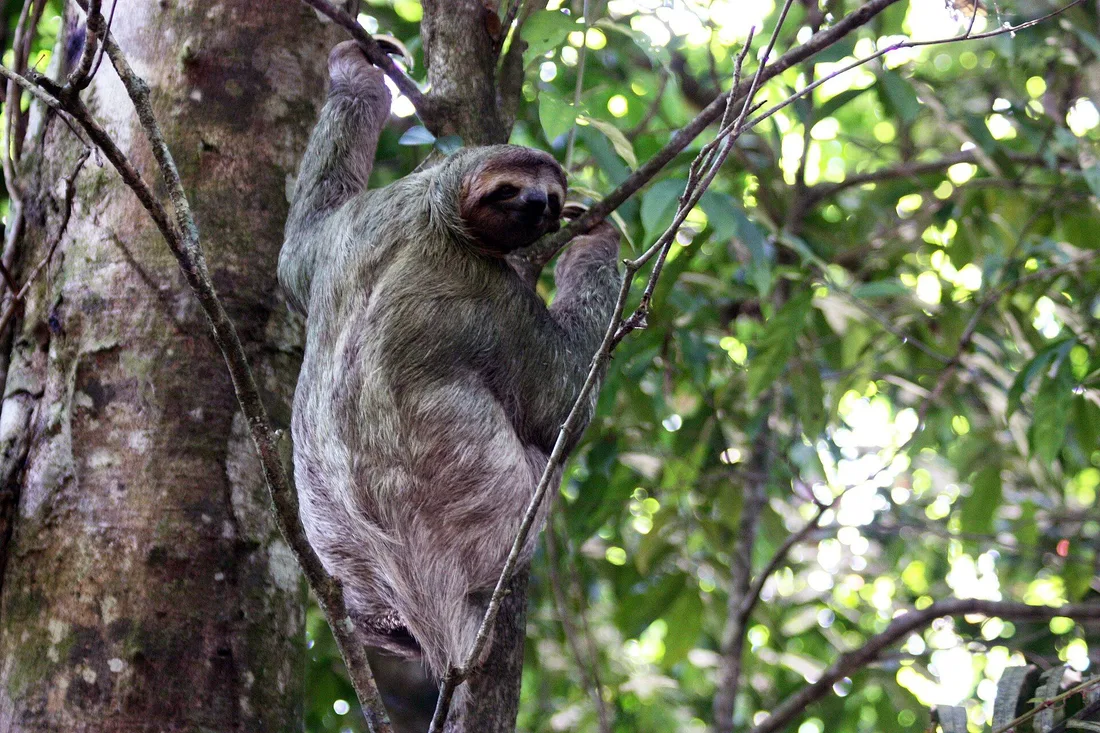
Sloths and monkeys are what most visitors hope for, and they’re the easiest to find without a long expedition. Carara lists the three-toed sloth, the howler monkey and the scarlet macaw, and Manuel Antonio has sloths and capuchin monkeys along its trails, per the ICT. On the Caribbean side, Cahuita adds a reef to the forest walk, and its Playa Blanca entrance takes a voluntary cash contribution instead of a ticket.
Guides and rules
The ICT and SINAC advise checking that a guide or operator holds ICT certification and the operating permits for the activity. The ICT’s directory lists more than 2,500 certified guides, searchable on its site. Curi-Cancha’s guided natural history tour is $55 against $25 self-guided, a $30 gap that shows what a guide adds. On the animals themselves, the government’s responsible-tourism brochure is direct: never feed wildlife or attract it with food or sounds, never catch or handle it (it calls this a crime), keep still and quiet if an animal shows stress, and reject selfies that involve hugging or holding a wild animal. Rescue centers in Costa Rica aren’t allowed to admit tourists, and a paid encounter with a rescued animal lowers its chance of returning to the wild; the places authorized to receive tourists all fall in the category of zoos, which takes in commercial zoos, sanctuaries and licensed breeding farms. Report illegal practices to 1192 or on sitada.go.cr.
What to reserve first
Corcovado goes first, because SINAC takes its reservations only by email, through an office open 7 am to 4 pm and closed on public holidays. Manuel Antonio and the Tortuguero sectors come second, on SINAC’s online system; Manuel Antonio is closed on Tuesdays, and the 7-day route gives it a full day between two nights near the park. If your Corcovado boat leaves from Drake Bay, the transport guide has the boat from Sierpe and the bus that misses it. Night tours come last, booked around the park days you’ve fixed, with Manuel Antonio’s Wednesday-to-Friday evenings first.
Read also

Things to do · 8 min read
Ziplining, Rafting or Hanging Bridges in Costa Rica?
Updated · November 17, 2026Which to book in Costa Rica: hanging bridges, zip line or rafting. Operator prices, age and weight limits, river classes, pickups and insurance.

Regions · 9 min read
Arenal and the Northern Lowlands: Where to Base Yourself
Updated · November 17, 2026La Fortuna, El Castillo or the lake road? Where to base yourself around Arenal, what the volcano park and waterfall cost, and how to drive from SJO or LIR.

Before you go · 9 min read
Before You Go to Costa Rica: Entry, Money and Seasons
Updated · November 17, 2026Visa-free entry for US, Canadian, UK and Australian passports, stay of 90 or 180 days, $100-a-month funds rule, $29 departure tax, money and seasons.

Car rental · 11 min read
Car Rental in Costa Rica: Mandatory Insurance, Cards and 4x4
Updated · November 17, 2026Why a Costa Rica rental quote jumps at the counter, the mandatory liability policy, what a credit card covers, when you need a 4x4, tolls, gas and fines.