Before You Go to Costa Rica: Entry, Money and Seasons
Visa-free entry for US, Canadian, UK and Australian passports, stay of 90 or 180 days, $100-a-month funds rule, $29 departure tax, money and seasons.
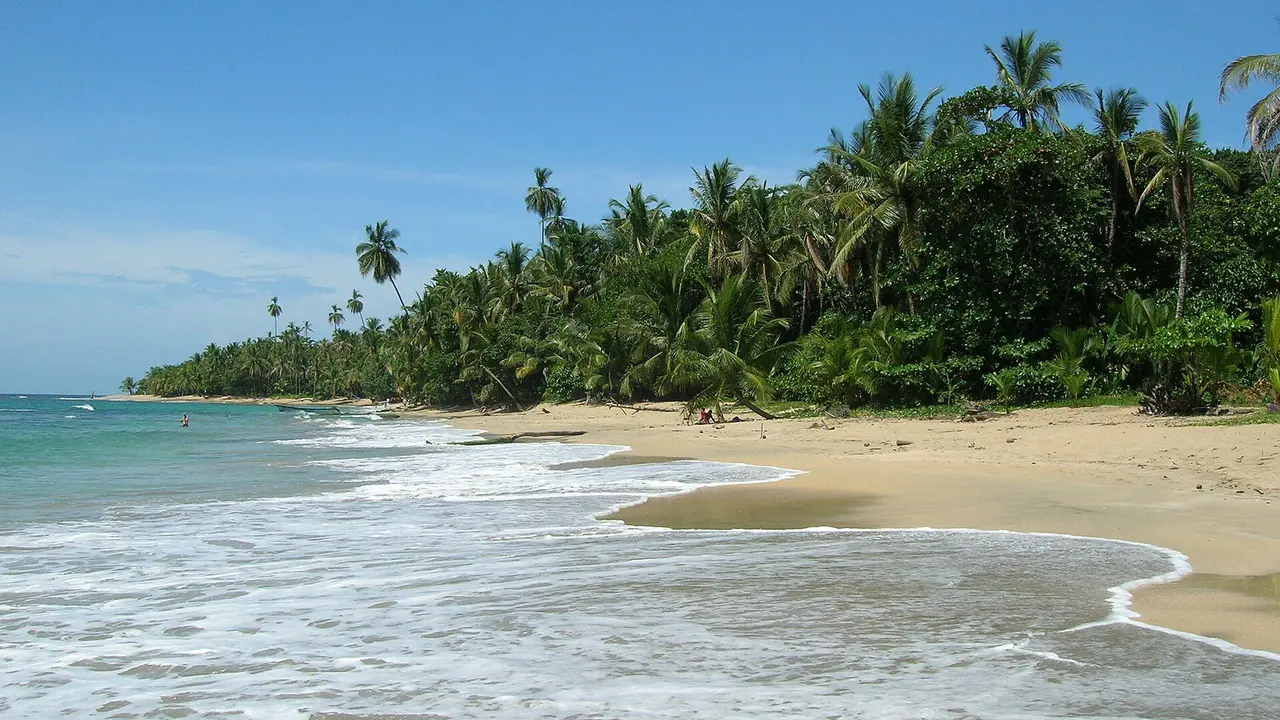
US, Canadian, British and Australian passport holders enter Costa Rica as tourists without a visa, and the immigration officer at the airport writes down how long you may stay: up to 180 days on the Costa Rica Tourism Board’s (ICT) entry requirements page, and the Costa Rican embassy’s nationality table puts all four passports in that group. The UK government’s entry page (updated May 19, 2026) and the Canadian government’s page (updated November 16, 2026) repeat the 180 days. Australia’s own advice is more cautious: Smartraveller tells Australians no visa is needed for a tourist visit of less than 90 days. Everyone also needs a valid passport, proof of funds of $100 per month of stay (about ₡45,400 at our ₡454 rate) and a way out of the country. Rules and prices below were read on November 16 and 17, 2026.
This is general information for ordinary tourist trips, not immigration advice. Costa Rican immigration (DGME) decides admission and the length of each stay, and your own government’s page is the one to read for your passport: travel.state.gov for US citizens (Level 2, “Exercise increased caution” because of crime, updated April 1, 2026), the UK and Canadian pages above, and Smartraveller. Health questions belong with a doctor or a travel clinic.
How long you can stay: 180 days, or 90
The two numbers aren’t a typo on our side. ICT lists the first group of countries at “up to 180 calendar days, non-extendable”, and the embassy’s no-visa page carries the same figure in its header - then repeats “up to 90 days” in a paragraph below it. Neither page is dated. The two government pages we can date, the FCDO (May 2026) and the Canadian one (November 2026), both say 180, and Canada adds that police checks on buses look for foreigners who have overstayed “the 180-day visa exemption period”. Smartraveller’s “less than 90 days” is dated too (updated March 12, 2026 and still current on November 17, 2026), and it’s Australia’s advice to its own citizens, not a different Costa Rican rule: the embassy’s table sends Australia to the same no-visa page as the US, Canada and the UK. An Australian planning more than 90 days can settle it with the embassy before booking a later return.
Whatever the page says, the stamp rules. ICT states that “the maximum legal stay… will be determined by the immigration agent upon their entry”. Look at the stamp before you leave the booth; you’ll want the return flight on a date inside it. Overstaying costs money: the FCDO says immigration can fine $100 for each month and refuse future entry.
Documents at the immigration desk
ICT’s list has five items: a valid passport that can be read electronically, a visa if your nationality needs one, proof of economic means of at least $100 per month or partial month of legal stay, a round-trip or onward ticket, and no impediment to entering. On passport validity the sources differ: the FCDO says the expiry date must be at least one day after the day you plan to leave, the embassy says valid for a minimum of one day from the day you enter, and Canada says valid for the length of your stay. The safe course is the longest of the three, plus your airline’s own rule, which it enforces at check-in.
An onward ticket is mandatory, not a courtesy. ICT says non-residents need proof of leaving if they arrive on a one-way ticket, if the return is more than 90 days after arrival, or if they fly out through a different country. A bus ticket out of the country, a flight, or proof of passage on a cruise ship all count. The 7-day loop starts and ends at San José’s airport, so it doesn’t raise the question; an open-jaw trip that ends in Panama or Nicaragua is where the officer asks for the ticket.
Cash has its own rule: the FCDO says to declare cash, traveler’s checks or goods worth $10,000 or more, and keep the certified declaration, or the money can be seized when you leave.

Yellow fever: who needs the certificate
Flying in directly from the US, Canada, the UK or Australia, you don’t need a yellow fever certificate. The requirement attaches to where you have been. The CDC says the vaccine is required for travelers aged 9 months or older arriving from countries with yellow fever risk, including African countries with yellow fever risk and, in the Americas, Bolivia, Brazil, Colombia, Ecuador, Guyana, French Guiana, Paraguay, Peru, Suriname, Trinidad and Tobago and Venezuela (updated July 9, 2025). Canada’s page adds that the Costa Rican Ministry of Health has published an update, not yet reflected by the WHO, that removes regional exemptions: the whole of an affected country now counts. If a Brazil or Colombia stop sits in your itinerary before Costa Rica, carry the yellow card; the UK page makes the same point about listed countries. The ICT page’s own yellow fever notice, effective August 31, 2026, applies to Costa Rican residents leaving for those countries, not to visitors arriving.
The CDC also recommends hepatitis A vaccination for unvaccinated travelers; its current outbreak notices and the mosquito advice are in the insurance and health guide.
Dry season, green season, and where the rain ignores the calendar
ICT puts the dry season from mid-December to late April and the green season from May to mid-December. It adds that the Pacific coast has the more clearly defined seasons, while the Caribbean coast has a longer rainy period. Don’t hang the whole trip on those months: for the Arenal side, the IMN, the national weather service, sets no start date for the dry season, and the same goes for the Caribbean. For 2026 its climate unit, quoted by El Observador on October 20, forecast the Pacific Central region’s dry season starting November 13 to 30 and the Central Valley’s November 8 to 23, as the 7-day route notes.
So the choice is about what you’re going to do. ICT lists Puerto Viejo, Playa Cocles and Punta Uva for beach time in the dry season, and turtle watching in Tortuguero in the green season. For the Central Pacific it lists sport fishing at Quepos in the dry season and white-water rafting on the Savegre and Naranjo rivers in the green season. ICT also names spring break and Holy Week (La Semana Santa) in March and April as crowded, so book Manuel Antonio and the Arenal lodges first. Turtles, whales and quetzals each have their own windows, laid out in the wildlife guide.
Dollars, colones and cards
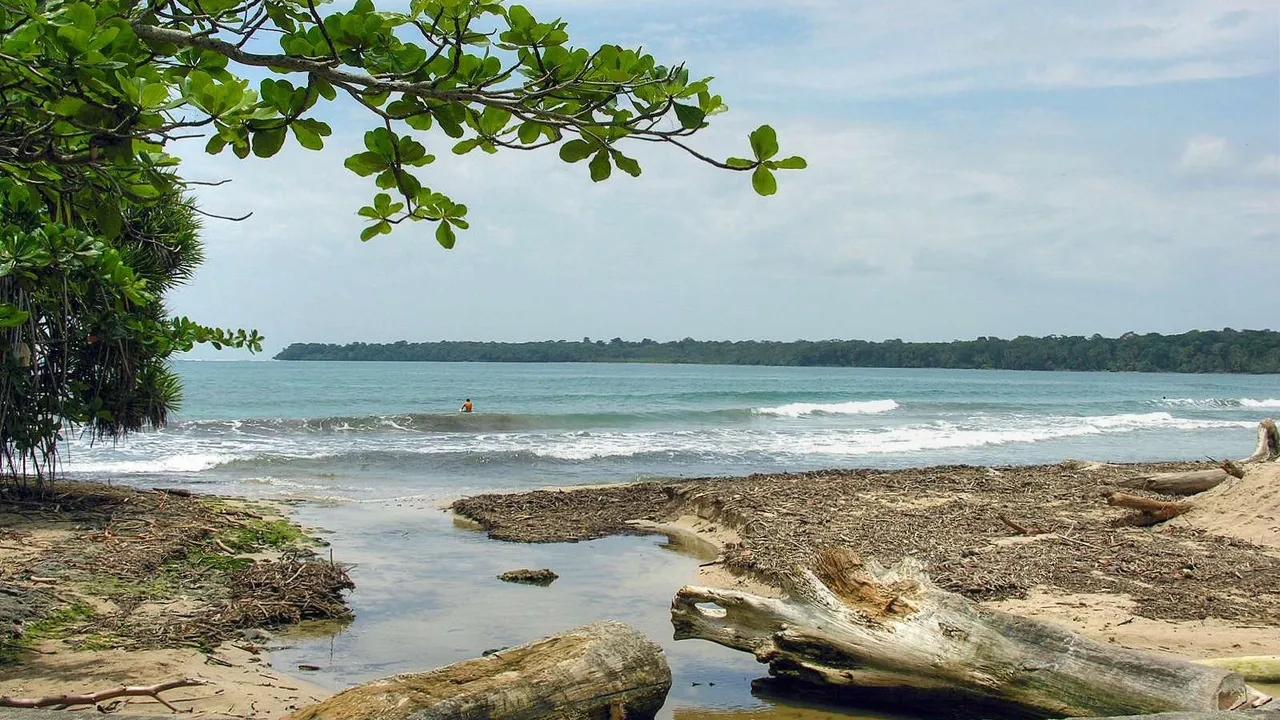
The colón is the currency, but US dollars and major credit cards are widely accepted. We convert at ₡454 to the dollar, the November 13, 2026 rate. ICT’s advice is to exchange money only at banks and approved change offices, and a bank transaction needs your original passport, not a copy or a photo. ATMs are everywhere, though some close from 11 pm to 5 am, and ICT also tells visitors not to flash cash. Canada’s page asks you to be extra cautious withdrawing cash from ATMs, and Smartraveller warns of credit card and ATM fraud.
ICT says restaurants and hotels include the 13% VAT and a 10% service charge in the price, so an extra tip is optional and meant for exceptional service. The same page puts the departure tax at $29 per person, normally inside the airfare; only if your fare rules say it isn’t included do you pay it at the airport, in dollars or colones.
Public-bus fares and soda lunches are both priced in colones: the fares are in getting around Costa Rica, the lunch in the food guide.
What to pack for the cloud forest and for the coast
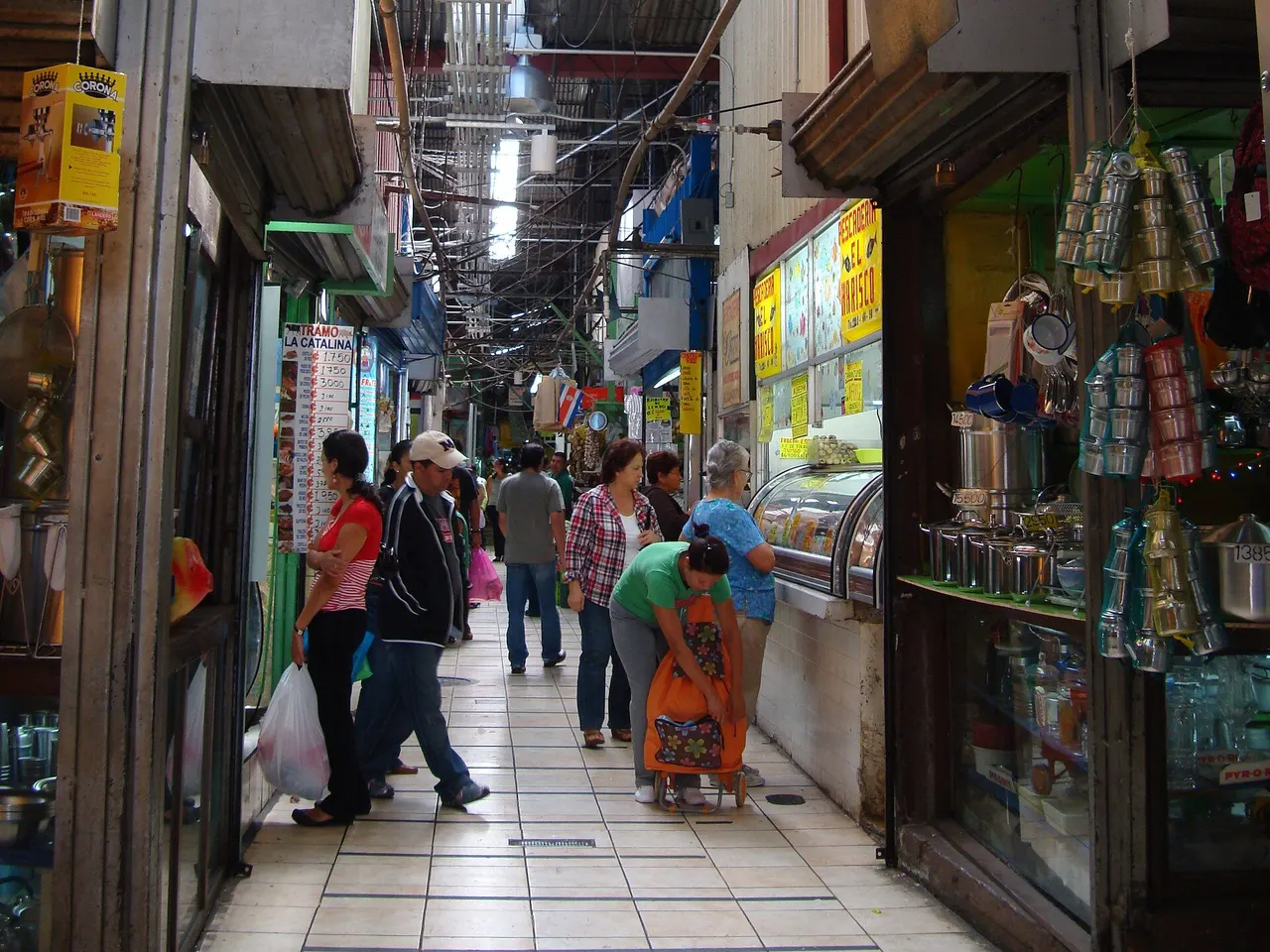
The two ends of a Costa Rican trip don’t share a bag. Selvatura’s help page describes Monteverde’s climate as cool all year, sunny mornings and light rain common in the afternoon, and asks for closed-toe shoes plus waterproof gear in the rainy season. Costa Rica Expeditions’ packing list has a light sweater or jacket for cooler evenings and high elevations, a rain jacket or poncho, quick-dry clothes (jeans dry slowly), and SPF 30+ with repellent. For the coast and a river day, add swimwear and water shoes. More on what to walk in is in the Monteverde guide.
Outlets in Costa Rica are 110 V with standard US two-prong plugs, per ICT, so US and Canadian devices plug in directly; a UK or Australian device needs a plug adapter, and its charger label must list 110 V.
Park tickets and a rental car
Reserve park tickets that sell out first (Manuel Antonio sells online only), then transport. If the plan includes Monteverde and Arenal, a car is the most flexible way across, but the quote at the desk jumps once the mandatory liability policy is added: car rental in Costa Rica has the figures, including Vamos’ $15.95 per day for third-party liability on a sedan, ₡805-807 per liter for gas since November 10, 2026 and the Route 27 tolls. Entry fees for the northern lowlands are in the Arenal guide.
Insurance before you fly
No policy is needed to enter, but a visitor pays for hospital care after initial emergency treatment, and the insurance guide sets a policy’s limits against a Costa Rican itinerary. SafetyWing Essential, the policy it walks through, costs $62.72 per 4 weeks for ages 10 to 39 (price read November 17, 2026) and doesn’t cover white-water rafting. Buy the policy before you fly, and read its activity list against the days you’ve already booked.
Read also

Regions · 9 min read
Arenal and the Northern Lowlands: Where to Base Yourself
Updated · November 17, 2026La Fortuna, El Castillo or the lake road? Where to base yourself around Arenal, what the volcano park and waterfall cost, and how to drive from SJO or LIR.

Car rental · 11 min read
Car Rental in Costa Rica: Mandatory Insurance, Cards and 4x4
Updated · November 17, 2026Why a Costa Rica rental quote jumps at the counter, the mandatory liability policy, what a credit card covers, when you need a 4x4, tolls, gas and fines.

Food · 7 min read
Costa Rican Food: What to Order, Where, and the Check
Updated · November 17, 2026One La Fortuna soda charges ₡7,500 for a casado, service included. What to order, where to eat it, and what to do if the check runs above the menu.

Transport · 12 min read
Getting Around Costa Rica: Bus, Shuttle, Flight, Ferry
Updated · November 17, 2026Bus fares in colones, shuttle and flight times, the Paquera ferry and taxi rates for Costa Rica, from ARESEP and the operators, November 2026.