Costa Rica Travel Insurance: What It Covers and Excludes
Insurance isn't required to enter Costa Rica, but visitors pay after first aid. SafetyWing Essential limits, excluded activities, 911 and health notices.
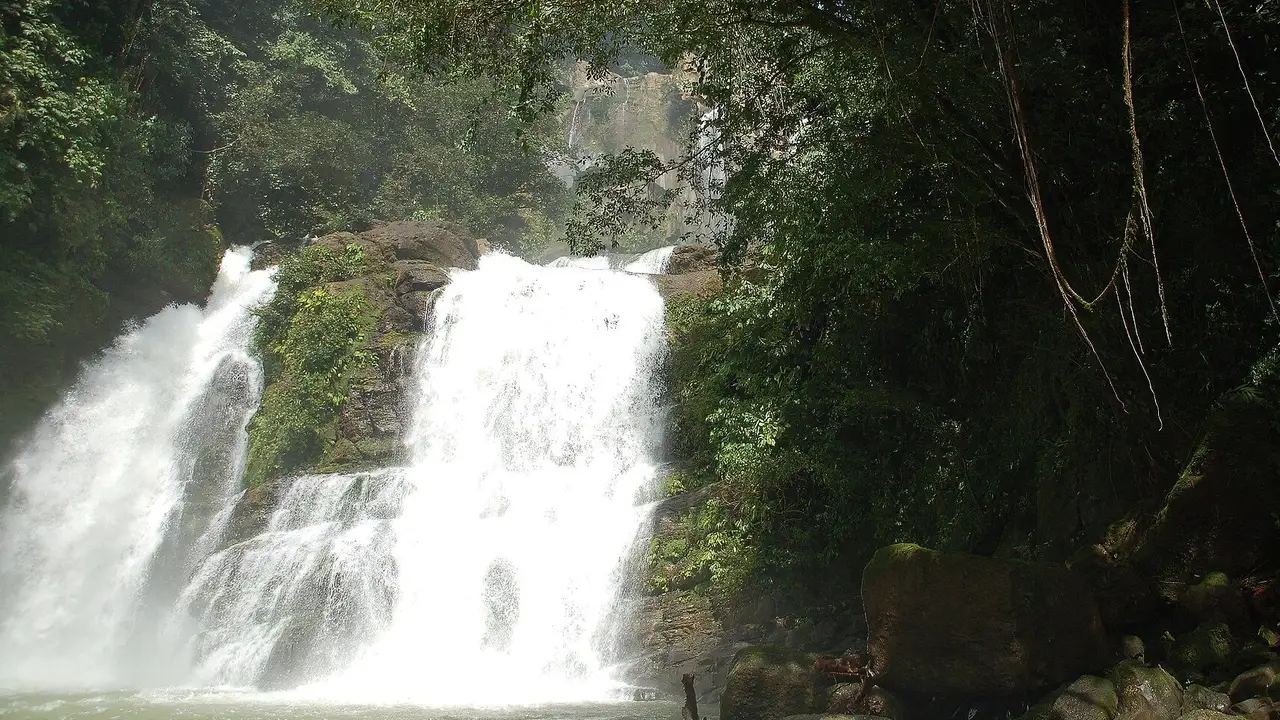
Costa Rica doesn’t make you buy travel insurance to enter, and a visitor who ends up in hospital pays for everything after initial emergency treatment. That is the whole case for a policy. Insurance isn’t on the Costa Rica Tourism Board’s entry list (read November 17, 2026; the full list is in our before-you-go guide), but the UK and Canadian governments both tell their citizens to carry cover for treatment and medical evacuation. Whether a particular policy pays for your week of rafting is a separate question, and the one that decides which policy to buy.
This is general information, not advice on a specific policy. Your insurer’s wording decides what is paid, so read it before buying; a doctor or travel clinic decides your vaccines and medicines, and your own government’s travel page (travel.state.gov for US citizens, gov.uk, travel.gc.ca, smartraveller.gov.au) sets its advice for your passport.
What a visitor pays without a policy
In the FCDO’s words: “Only initial emergency medical treatment is available without charge for visitors. Subsequent treatment will be charged.” The Canadian page says doctors and hospitals typically want payment up front, that private clinics and hospitals are mainly in San José and “may be expensive”, and that medical evacuation “can be very expensive”. Public hospitals, run by the social security system (CCSS), are described as very good but with long waits and few English-speaking doctors.
Hospital CIMA’s payment page lists how you can pay, not what treatment costs: cash in colones or dollars, Visa, MasterCard and American Express, and bank transfers made before admission. It also runs a 24-hour emergency line, +506 2208-1000. Without a price to plan on, the safest budget is a card with a high limit or a policy that covers hospital stays.
Home health cover doesn’t travel as far as people assume. For US travelers, the CDC Yellow Book (page dated April 23, 2025) says Medicare doesn’t pay for medical care outside the United States except in limited circumstances, and Medicare Advantage plans usually don’t either. For Australians, Smartraveller lists reciprocal health care agreements with 11 countries, the UK, New Zealand and Italy among them, and Costa Rica isn’t on the list.
What SafetyWing Essential covers
SafetyWing is our partner, and Essential is the plan a traveler on a short trip would compare. On SafetyWing’s plan page it costs $62.72 per 4 weeks for ages 10 to 39 (read November 17, 2026; other age bands are priced separately). The page lists a $250,000 overall limit for medical treatment, $100,000 lifetime for evacuation to a better equipped hospital, $500 per lost checked item and $10,000 for evacuation from local unrest. The plan’s help page says there is no deductible on either plan, Essential or Complete.
Delays and cancellations are thinner. Essential pays $60 for a 3- to 8-hour travel delay and $150 for 8 hours or more, toward an unplanned overnight stay, and $5,000 for a ticket home if a family member dies. It has no trip cancellation line. The Complete plan lists trip cancellation at $300 per trip for causes beyond your control, but Complete is a 12-month commitment and SafetyWing says it can’t cover residents of the US or Canada, so if prepaid lodges and tours are the big spend, cancellation cover is a separate purchase from another policy.
Essential can’t be bought for anyone younger than 14 days or older than 69, and new conditions that appear during a plan become pre-existing when it ends, so it doesn’t continue cover for a condition you already have. SafetyWing’s own wording is that it is “for truly unexpected health issues and accidents”. The policy version we read is the May 25, 2026 wording in SafetyWing’s policy index (Essential 4.0.1).
Hiking, zip lines, surfing: on the list
SafetyWing’s list of covered sports is long, and several are things most Costa Rica itineraries contain: hiking, zip line, surfing, snorkeling, canyoning, kayaking, flatwater rafting, horseback riding, safari tours, stand up paddle boarding and bicycle touring. The conditions are the same for all of them: you must use certified, official paths, be supervised where the activity needs it, wear the safety equipment it needs, and hold any license required. Going off-trail means no cover. Each zip line and rafting operator’s own age and weight limits are in our comparison of zip lines, rafting and hanging bridges.
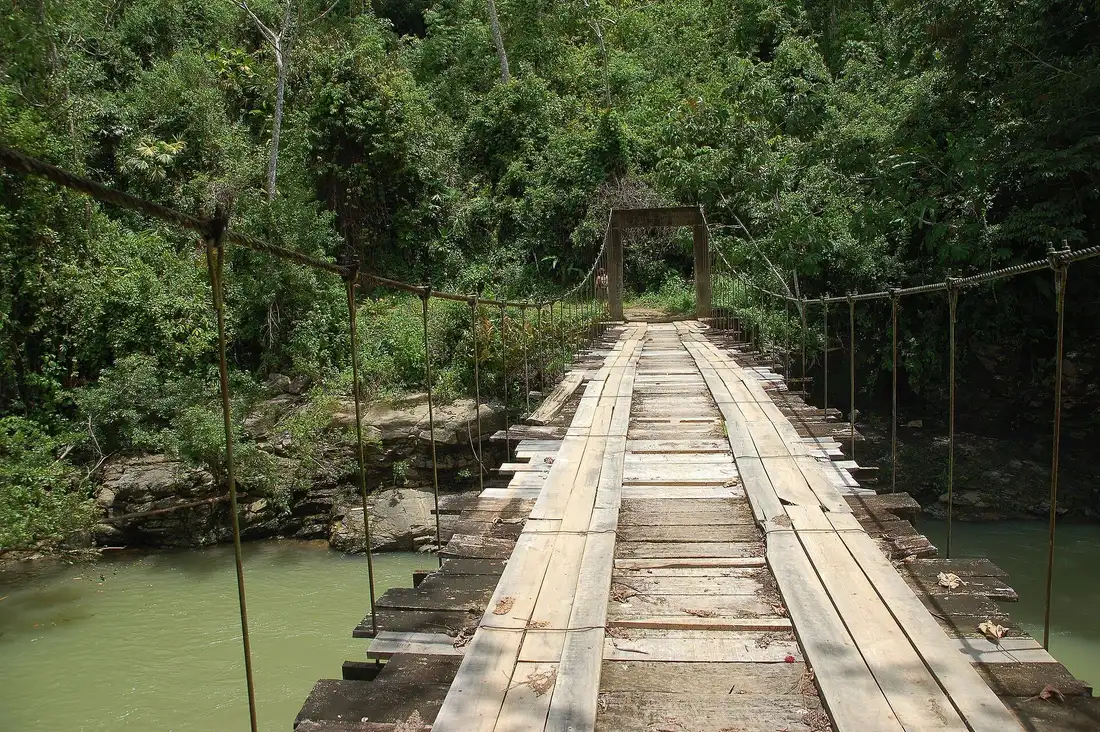
That matters on the cloud-forest and volcano days in the Monteverde guide and the Arenal guide: a guided canopy tour on marked platforms and a hike on the park’s own path fit the wording, while a shortcut around a closed trail doesn’t.

Rafting, ATVs and cliff jumping: off the list
Three activities that Costa Rican operators sell sit on SafetyWing’s exclusion list “even with the adventure add-on”: whitewater rafting, all-terrain vehicles and cliff jumping. Flatwater rafting is on the covered list and white-water isn’t, so the white-water trips on the Savegre and Naranjo rivers that the Tourism Board lists for the green season fall outside it. The adventure add-on, $10 per 28 days, exists only on subscription plans, not fixed-date plans; it adds activities such as scuba diving to your certified depth, parasailing, kitesurfing and motorcycles over 50cc, but not white-water rafting.
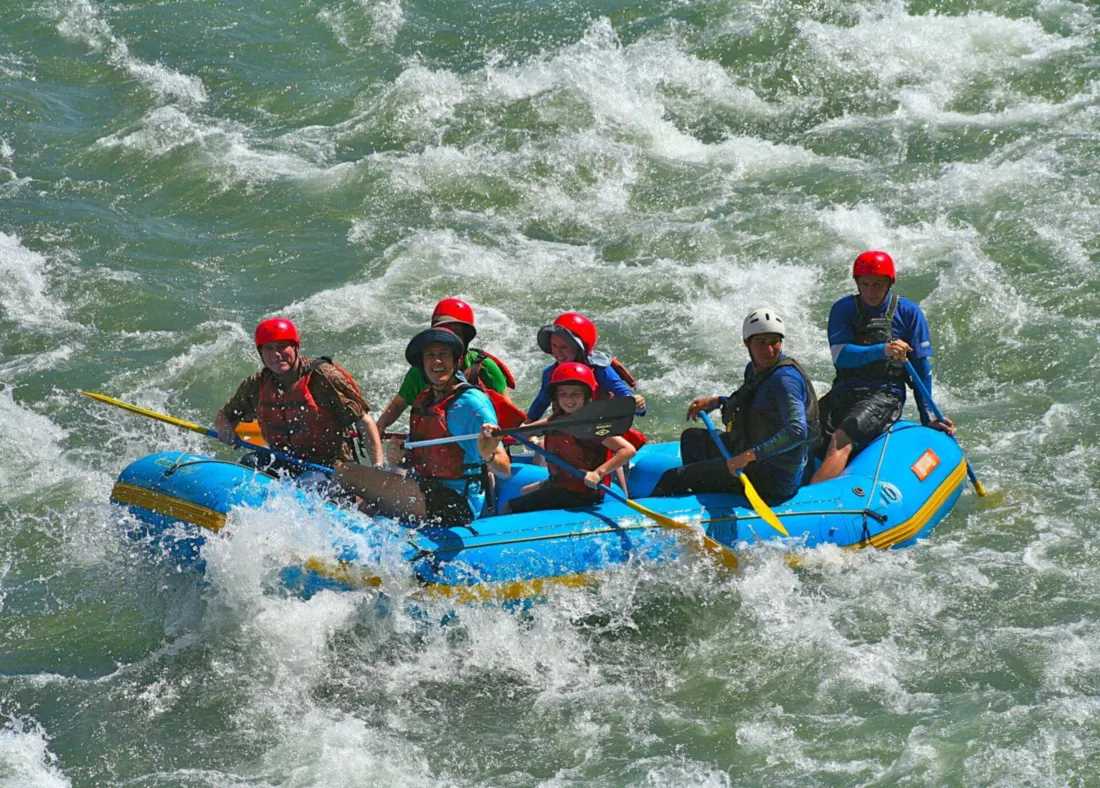
If rafting is on the plan, the choice is a policy that names it. World Nomads’ Costa Rica page for US residents, for one, says “surfing and whitewater rafting included”. Compare its price and limits to SafetyWing’s before deciding, because a policy you can’t claim on for the day you booked it for is the expensive one. Before you pay for a boat trip from the wildlife guide, such as the Tortuguero canals or whale watching at Marino Ballena, find it on the insurer’s list.
Driving: your policy and the rental policy are different things
SafetyWing pays eligible medical costs after a motorcycle or scooter accident if you’re properly licensed and wearing a helmet; on Essential that stops at 50cc unless you have the adventure add-on, which only subscription plans can buy. It excludes personal liability for operating any vehicle, and racing and driving drunk are out. That liability is what the rental company’s mandatory third-party policy exists for, and the car rental guide shows what it adds to the quote. Buying a travel policy doesn’t remove it. Canada’s page also tells renters to make sure emergency assistance and insurance come from the rental agency.
Mosquito-borne illness and other health notices
Who decides what you need: the CDC for US travelers, TravelHealthPro and the FCDO for UK travelers, the Public Health Agency of Canada and Smartraveller for the others. The CDC page carries a Level 2 chikungunya notice for the northwest of the country, updated July 30, 2026, and a hepatitis A outbreak notice, mostly San José province, from September 18, 2026. It recommends malaria prevention medicine for travelers to certain areas, names the provinces of Alajuela and Limón, and recommends none elsewhere (updated April 23, 2025): Arenal and La Fortuna are in Alajuela, so a trip with the volcano on it needs a talk about malaria prevention with a doctor or travel clinic before you fly. Dengue is a CDC “avoid bug bites” disease; Canada added a dengue travel health notice (updated November 16, 2026). Smartraveller connects the risk of mosquito-borne illness to the wet season, and its advice is insect-proof accommodation, repellent and long loose light-colored clothing.
Emergency numbers and remote places
Dial 911 for ambulance, fire and police, per the FCDO and Canada. Smartraveller lists 911 or 128 for medical emergencies and 911 or 118 for fire. Beaches are the other risk: the FCDO says rip currents are very common, there are often no lifeguards, and drownings, the second most common cause of accidental death, average 50 to 60 a year. Canada warns that emergency services may be limited in rural areas, and the FCDO that ambulance services in remote areas vary, so call your insurer’s helpline as soon as you’re referred for treatment, as the FCDO advises. Small planes, shuttles and the boat to Drake Bay, the ways in to the remoter corners, are in getting around Costa Rica.
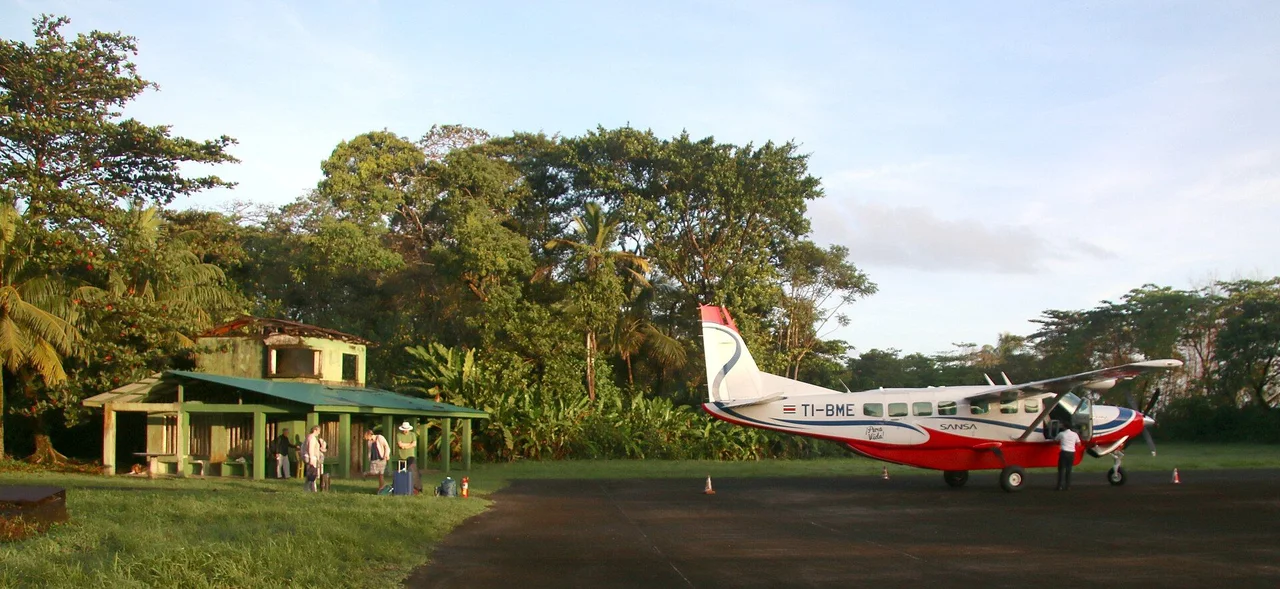
The FCDO points to pharmacies (farmacias) in chains such as Fischel, Sucre and Saba and notes that UK prescriptions can’t be used locally, so bring enough of your own medicine for the whole trip.
Read also

Regions · 9 min read
Arenal and the Northern Lowlands: Where to Base Yourself
Updated · November 17, 2026La Fortuna, El Castillo or the lake road? Where to base yourself around Arenal, what the volcano park and waterfall cost, and how to drive from SJO or LIR.

Before you go · 9 min read
Before You Go to Costa Rica: Entry, Money and Seasons
Updated · November 17, 2026Visa-free entry for US, Canadian, UK and Australian passports, stay of 90 or 180 days, $100-a-month funds rule, $29 departure tax, money and seasons.

Car rental · 11 min read
Car Rental in Costa Rica: Mandatory Insurance, Cards and 4x4
Updated · November 17, 2026Why a Costa Rica rental quote jumps at the counter, the mandatory liability policy, what a credit card covers, when you need a 4x4, tolls, gas and fines.

Food · 7 min read
Costa Rican Food: What to Order, Where, and the Check
Updated · November 17, 2026One La Fortuna soda charges ₡7,500 for a casado, service included. What to order, where to eat it, and what to do if the check runs above the menu.